Declaration
2 x 58' - BBC ONE NI (2026)
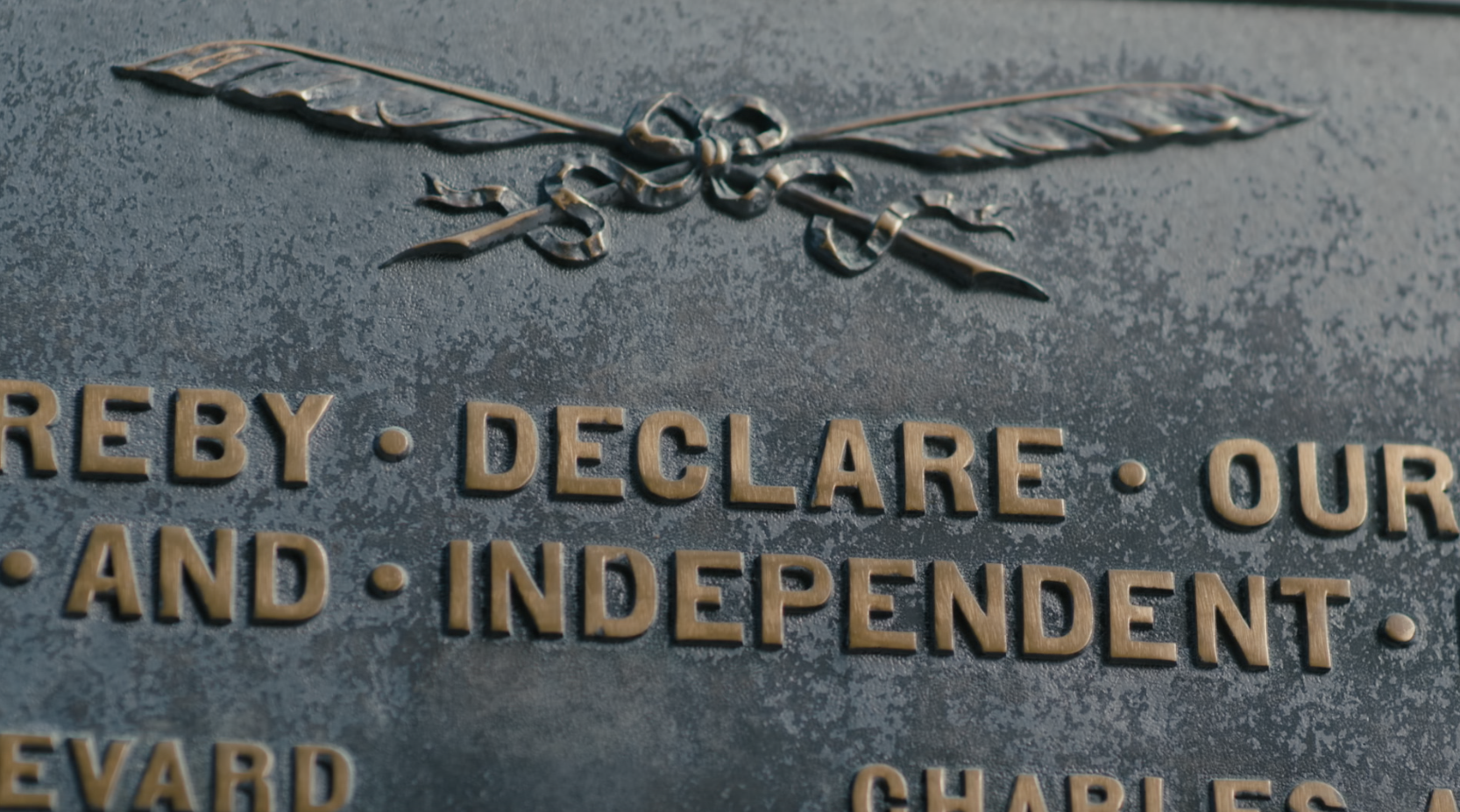
Fourth of July 1776 is one of the most important moments in the history of America - the day when the first of the signatories put their names to the Declaration of Independence.
In the eyes of the British Parliament, the declaration was an act of treason, yet for the founding fathers it was the justification for revolution, the overthrow of what they saw as a tyrannical government, and a promise of liberty and equality.
Through interviews with leading US historians, this episode, framed by the discussions of the Second Continental Congress in Philadelphia in the lead up the signing of the declaration, traces how Ulster-Scots immigrants - aka the Scotch-Irish - shaped the path to this defining moment. It reveals how the ideas and lived experience of Scotch-Irish farmers, philosophers and religious leaders fuelled the revolutionary movement in the colonies and found their way into the words and ideals of the declaration.
Episode 1 - The Road to Independence
This episode explores the influence of Francis Hutcheson, from Saintfield in County Down, in shaping the philosophical and religious ideas that lit the spark of the revolutionary movement in the colonies. His theory of the right of resistance influenced revolutionary leaders such as Thomas Jefferson, who wrote the declaration.
The Scotch-Irish were also at the heart of key moments in the road to independence, such as the Boston Tea Party, organised by the Sons of Liberty, a radical resistance movement of which Scotch-Irish physician Thomas Young was a leading member.
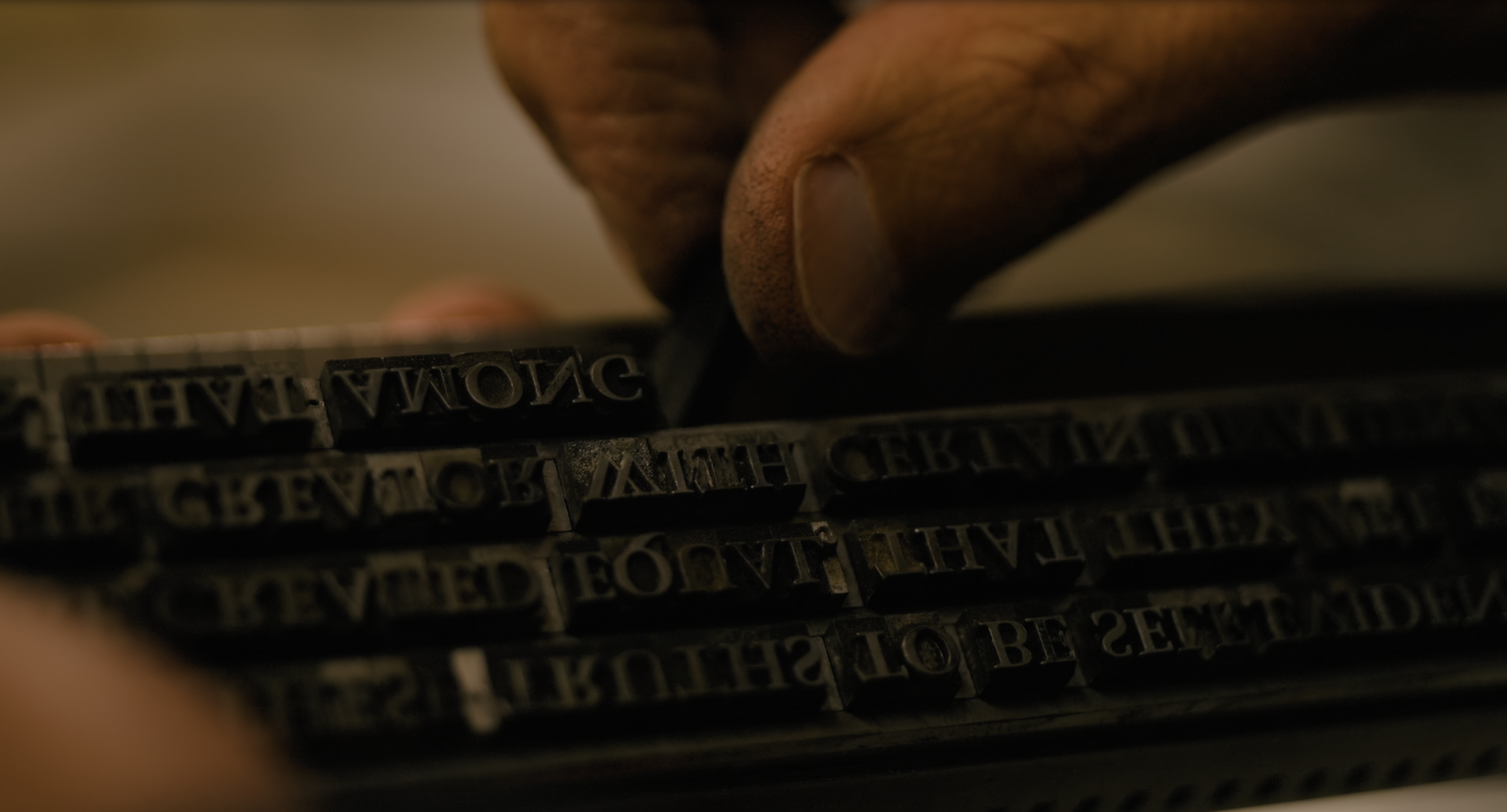
Once it was agreed by the Continental Congress, John Dunlap, from Strabane in County Tyrone, printed the first copy of the Declaration of Independence in Philadelphia.

Episode 2 - The Road to Democracy
This episode reveals how a rebellion of Scotch-Irish farmers in Pelham, Western Massachusetts, provoked fear in the government and compelled them to summon the delegates back to Philadelphia to revise the Articles of Confederation during the summer of 1787. Scotch-Irish figures such as William Paterson and James McHenry influenced the debates over the design of the America’s system of government.
Many of the delegates came from the Covenanting Presbyterian tradition, and we find out how Presbyterianism, with its emphasis on religious liberty, civil liberty and the separation of church and state, shaped the structure of America’s democratic government.
Once the terms of the Constitution were agreed, it was William Findley, a Scotch-Irish Covenanting Presbyterian, who argued for a bill of rights which continues to define Americans' individual rights in relation to their government.